Wool as a natural insulator offers durable comfort and temperature regulation, making it a popular choice for bedding materials. Its fibers wick away moisture and retain warmth without overheating, contributing to a balanced sleeping environment. In this category, wool products emphasize breathability, resilience, and long-lasting performance for various sleep preferences.
Natural wool fibers are often sourced from responsibly managed farms, helping to ensure minimal chemical exposure and a lower environmental footprint. Wool is inherently flame resistant and soft to the touch, with a structure that supports both support and pressure relief. This combination can support different sleep positions while maintaining favorable loft.
Key features of wool bedding and pillows include moisture management, temperature neutrality, and hypoallergenic properties. Wool fibers expand and compress with movement, providing consistent support and minimizing heat buildup. For sensitive sleepers, wool can reduce irritation and promote uninterrupted rest by maintaining a comfortable microclimate.
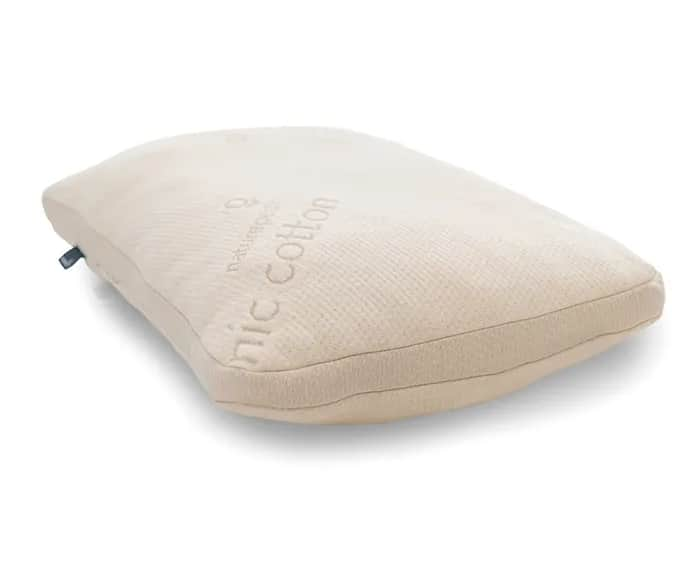
The Naturepedic Organic Wool Pillow exemplifies the category by combining organic wool with thoughtful design. It offers breathable cushioning, natural odor resistance, and durable loft to support the head and neck. Such pillows illustrate how wool blends support, comfort, and sustainability in daily rest without synthetic additives.
Within this category, readers can explore the broader context of wool in bedding alongside related materials like organic mattresses, sheets, and memory foam pillows. Understanding wool’s role in comfort layers, pillow loft, and climate control helps clarify its use in sleep systems and how it coordinates with other bedding components for a healthier sleep environment.
 Bedding