A Practical Guide to Reading Certification Labels on Organic Mattresses
In a world where sleep should be a restorative ritual, the mattress you choose carries more than just a price tag. It carries promises—about safety, materials, and the environment. Certification labels exist to translate those promises into something you can verify with confidence. This guide unpacks the most common standards, what they cover, and how to read a label at a glance so you can separate fact from marketing fluff, without losing sleep over it.
For readers of NaturalPedicMATTRESS, the emphasis on natural materials, safety, and environmental consciousness makes certifications especially relevant. We’ll walk you through what each label typically means, how trustworthy it is, and practical tips to verify claims at home. By the end, you’ll feel equipped to compare, contrast, and decide with calm clarity.
Why Certifications Matter
Certifications function like a passport for mattresses. They verify that a product has met standardized criteria related to materials, processing methods, and safety thresholds. When a label is backed by a credible certifying body, you gain a clearer sense of whether the mattress aligns with your values—be it “organic,” “non-toxic,” or “eco-friendly.” In the realm of organic and natural sleep surfaces, certifications help protect against greenwashing, a marketing practice that makes broad claims without substantiating evidence.
That’s not to say every label is equally rigorous. Some certifications are globally recognized and enforce third-party audits, while others are more marketing-driven or regional. The point is to know what you’re looking at and what to look for next. Below, we break down the most common terms you’ll encounter on organic mattress labels, what they typically cover, and how to interpret them in everyday shopping scenarios.
Glossary of Key Certifications
GOTS — Global Organic Textile Standard
What it typically covers: Organic fibers (cotton, wool, etc.), dyeing and processing standards, strict social and environmental criteria, and a chain-of-custody requirement that tracks materials from source to finished product. GOTS is widely regarded as the gold standard for organic textiles, including fabrics used in mattress covers and toppers.
Why it matters on a mattress label: If a mattress cover or textile layer bears GOTS, you can have higher confidence that the organic claim is backed by a credible standard for both materials and manufacturing.
GOLS — Global Organic Latex Standard
What it typically covers: Latex produced without synthetic additives or petrochemicals, through a process that emphasizes organic farming practices, responsible sourcing, and environmental stewardship. GOLS extends to latex foams and related latex components used in mattresses and toppers.
Why it matters on a mattress label: GOLS-certified latex indicates a level of purity and ethical sourcing that aligns with natural, non-toxic aspirations, particularly for latex layers in mattresses.
CertiPUR-US
What it typically covers: Foams (especially polyurethane foams) tested for psycho-chemical content, including VOC emissions (volatile organic compounds), formaldehyde, and certain flame retardants. It also sets standards for low emissions, though it does not certify natural or organic content per se.
Why it matters on a mattress label: If a foam component has CertiPUR-US certification, you have a measurable assurance that the product meets limits for certain toxins and emissions. However, it does not guarantee the entire product is organic or natural in all materials.
OEKO-TEX Standard 100
What it typically covers: A wide range of textiles tested for harmful substances, with a risk assessment approach to ensure products are free from a long list of prohibited chemicals.
Why it matters on a mattress label: It provides a consumer-facing signal that the textile components have been vetted for chemical safety, though it does not certify organic cultivation or overall environmental impact.
Greenguard Gold
What it typically covers: Indoor air quality claims, focusing on low chemical emissions and low VOCs. It is frequently applied to furniture and component materials, including mattresses and foundations.
Why it matters on a mattress label: A Greenguard Gold certification can reassure you that the product contributes to better indoor air quality, which is especially relevant for sensitive individuals and children.
Global Organic Textile Standard (GOTS) and other regional marks
What it typically covers: Regional marks vary, but many align with plausible organic textile standards. When a regional label appears, check whether it references an internationally recognized standard or a local certification body with transparent auditing practices.
Why it matters on a mattress label: A recognizable standard with robust auditing gives you more confidence in how the materials are sourced and processed, especially for consumer expectations around organic fabrics and finishes.
Step-by-Step: How to Read a Label at a Glance
- Look for the certification marks first. They are usually placed on the product tag, packaging, or the fabric label. A single square or circle emblem often represents the certifying body.
- Check the scope of the certification. Some marks cover only specific components (e.g., the textile cover or top layer), while others apply to the entire mattress or its foam components.
- Confirm the validity period and any renewal requirements. Many certifications require periodic audits or re-testing to remain valid.
- Interpret the claims in plain language. If the label says “organic cotton cover,” you should verify whether the entire mattress or just the cover is organic, and whether other layers are certified separately.
- Look for chain-of-custody or sourcing information. Some certifications require documentation to trace materials from origin to the finished product, which adds credibility to claims.
- Assess the overall sustainability profile. A mattress may carry multiple certifications: one for organic textiles (GOTS), another for foam emissions (CertiPUR-US), and another for indoor air quality (Greenguard Gold). Each adds a layer of reassurance.
- Be aware of red flags. Marketing jargon without official marks, vague claims like “all-natural” without specifics, or certificates that are not publicly verifiable should prompt closer scrutiny.
As you explore, keep in mind that certifications should augment your judgment, not replace it. A well-informed buyer weighs material provenance, manufacturing ethics, and environmental impact alongside comfort and price. Certifications help you navigate these choices with a steady compass rather than a moving target.
Practical, At-Home Checks to Complement Certifications
Even with credible certifications, you can perform simple checks at home to further verify safety and material quality. Here are practical steps that align with the Direction B philosophy of education-first, non-commercial guidance:
- Ask about materials directly from brands or retailers and request copies of certification documents. Reputable brands that truly stand behind their claims will provide documentation upon request.
- Inspect the texture and smell. Natural materials tend to have a milder, earthier scent compared to synthetic foams. If you detect strong chemical odors after unpacking, that could be a sign to pause and review the product’s emissions data.
- Evaluate edge and seam quality. High-quality textile components with robust stitching typically reflect a higher standard in manufacturing and can correlate with better certification adherence.
- Test for off-gassing in a controlled environment. Allow the mattress to air out in a well-ventilated space for several days, and monitor for any lingering odors.
- Assess comfort and support in relation to the core materials. If a mattress relies heavily on natural latex or organic cotton, it should deliver a stable, breathable surface with appropriate support. If you notice excessive heat or uneven sagging, investigate the layering structure and whether it aligns with your firmness preference and sleep position.
Notable Considerations in Certification Overlaps
In the real-world market, certifications often intersect with branding narratives. For instance, a mattress labeled as “organic” might leverage GOTS for the textile portions but use different certifications for foam or other components. Understanding these overlaps helps you assemble a complete picture of a product’s safety and environmental footprint.
Take, for example, a high-end natural latex mattress featuring a GOTS-certified organic cotton cover, GOLS-certified latex core, and CertiPUR-US foam used in adjacent layers (if any foam is used). While this combination represents a strong commitment to natural materials and low emissions, it’s important to verify that each claim is documented and that the overall product maintains ethical and sourcing standards across all materials involved.
In broader terms, certifications can influence consumer trust, but they should be interpreted in the context of the whole product. The most trustworthy brands tend to publish transparent materials lists, provide easy access to certification documents, and maintain consistent sustainability storytelling across education-focused content, rather than relying solely on labels to do the talking.
Additional Resources and Next Steps
If you’re exploring the NaturalPedicMATTRESS concept through an informational and safety-first lens, consider building a resource hub that explains not only certifications but also the underlying materials. Pillar pages such as “Natural Mattress Materials,” “Safety Certifications in Mattresses,” and “How to Evaluate a Mattress Label” can serve as helpful anchors for readers who want to deepen their understanding without being overwhelmed by marketing language.
For practical readers, a printable glossary and a quick-reference label cheat sheet can be especially valuable. A “label-reading checklist” you can download and keep on your fridge or in your shopping notes would empower shoppers to compare products with confidence during a store visit or online browse.
Create a simple, repeatable process for evaluating mattress labels. Here’s a concise cheat sheet you can copy into a note and keep handy:
- Certifications visible on the label: list them and recall what each covers (textiles, latex, foam emissions, indoor air quality).
- Material scope: which layers are certified (cover, comfort layer, core)?
- Origin and chain of custody: is there a documented supply chain?
- Emissions data: are VOCs or off-gassing claims specified with measurement units?
- Certification validity: check dates of validity and renewal requirements.
- Overall sustainability narrative: what materials are used, and are there any flame retardant components?
Conclusion: Read Labels, Understand Standards, Sleep Better
Certifications are essential signposts on the path to a healthier, safer, and more transparent sleep environment. They help you understand what you’re buying and why it matters—but they work best when paired with thoughtful, independent checks and a clear sense of your own sleep priorities. By embracing a learning-forward approach—one that mirrors the editorial voice of a consumer-focused health and lifestyle site—you empower yourself to make choices that align with your values and your body’s needs.
As you explore further, remember that certification labels are not a single destination but a compass. Use them to guide your journey toward mattresses that minimize toxins, reduce environmental impact, and promote restful, restorative sleep for you and your household.
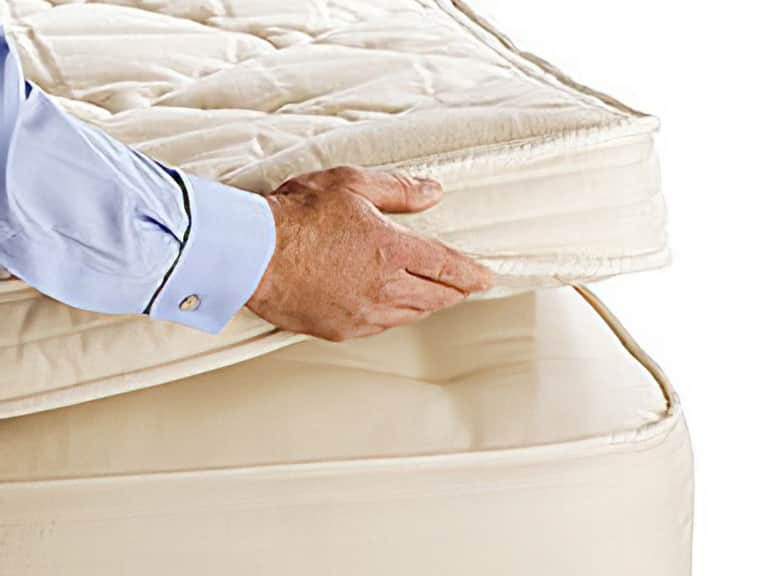
Note: The product listings referenced in this article align with the site’s current catalog. When considering a specific item, review its official specification page to confirm certification details and material composition. For example, among the available products, the Royal-Pedic Natural Latex 3" Pillowtop Pad offers a premium natural latex layer and untreated materials that echo the natural-materials ethos discussed here. If you’d like, I can tailor a compatibility checklist for model-by-model comparisons based on the exact certifications listed on each product page.