Bedding guide
Percale or Sateen? Choosing a Cotton Duvet Cover by Feel and Weave
A duvet cover can change the mood of a bed as surely as a fresh set of sheets. Percale feels crisp, cool, and neatly tailored; sateen feels smooth, soft, and fluid. Both can be made from organic cotton, but their different weaves create distinct textures and day-to-day experiences.
So which one belongs on your bed? The answer is less about a universally “better” fabric and more about what feels good against your skin, how warm you tend to sleep, and how much care you want to give your bedding. Here’s how to compare percale and sateen—and what else to check before choosing a cotton duvet cover.
The quick answer: crisp versus silky
Percale is known for a crisp, matte hand and a light, breathable feel. Its balanced weave gives the fabric a clean, almost freshly pressed character, even when it is relaxed rather than ironed. Many people associate percale with the cool, smooth sensation of hotel bedding: not slippery, but pleasantly crisp and easy to settle under.
Sateen has a smoother face, a subtle sheen, and a softer drape. The fabric tends to feel more fluid and enveloping than percale, with a touch of polish that makes the bed look dressed even when the cover is casually rumpled. If you like bedding that feels silky to the touch, sateen may be an inviting choice.
Neither weave guarantees that you will sleep cooler or warmer in every bedroom. Fiber quality, fabric weight, the duvet insert, room temperature, and personal comfort all play a role. Still, weave is a useful first clue: percale often appeals to people who want an airy, crisp surface, while sateen is a natural candidate for those who prefer a smoother, more substantial-feeling cover.
What makes percale feel crisp?
Percale is a plain weave: threads pass over and under one another in a simple, balanced pattern. That straightforward construction creates a matte surface with a stable, even feel. Unlike a fabric with a more pronounced sheen, percale does not have a glossy finish by virtue of its weave. Its appeal is in the fresh, uncomplicated texture.
That crispness is not the same as roughness. A well-made cotton percale duvet cover can feel smooth and comfortable while keeping a little structure. It tends to fall neatly rather than cling or drape closely over the body. For people who dislike the sensation of slippery bedding, that distinction can be a deciding factor.
Percale is also often chosen by warm sleepers because its light, open-feeling construction can make bedding feel less close and heavy. That does not mean every percale cover is automatically cooler than every sateen cover: fabric weight and the rest of the bed matter. But if you usually kick off covers, wake up feeling overheated, or simply prefer a lighter touch, percale is worth considering.
There is a small trade-off for the crisp, relaxed look: percale can wrinkle. Those creases are part of its casual, lived-in character, and many people happily let them be. If you prefer a smooth, freshly pressed bed, you may need to iron the cover or accept a more relaxed finish after washing.
Why sateen feels smoother and drapier
Sateen is made using a weave that places more yarn across the fabric’s surface than a basic plain weave does. This construction gives one side a smoother finish and a soft, subtle luster. The word describes the weave, not a fiber: cotton sateen is still cotton, not satin made from silk or a synthetic material.
Against the skin, sateen often feels silky, supple, and softly polished. It falls in a fluid way, which can give a bed a more relaxed, inviting look. That drape is especially appealing if you like a duvet cover that settles around the insert rather than holding a crisp, structured shape.
Sateen can feel a little weightier or cozier than percale, although the specific fabric matters more than the name alone. A lightweight sateen and a heavier percale will not necessarily behave like the usual comparison suggests. Still, people who enjoy a smoother surface, a gentle sheen, or a more enveloping feel often gravitate toward sateen.
Because sateen has a smooth face and drapes readily, it can look polished with less effort than a deliberately crisp fabric. It can wrinkle, too, but its fluid appearance may make everyday creases feel less conspicuous. If a bed that looks inviting without a formal, pressed finish is the goal, that quality can be a practical bonus.
Percale vs. sateen at a glance
| Feature | Percale | Sateen |
|---|---|---|
| Typical feel | Crisp, smooth, and matte | Soft, silky, and fluid |
| Appearance | Clean, relaxed, and low-sheen | Subtle sheen with a more draped look |
| Common preference | People who enjoy an airy, structured feel | People who want a smooth, cozy-feeling surface |
| Wrinkles | May show creases clearly; often embraced as casual | Can wrinkle, but drape may soften the appearance |
| Best first question | Do I like crisp sheets and a lighter touch? | Do I prefer softness, sheen, and a fluid drape? |
This comparison describes common tendencies, not fixed rules. Cotton variety, yarn quality, finishing, and fabric weight can change the final result. When possible, read the product description closely or feel a fabric swatch rather than choosing by weave name alone.
Does organic cotton change the feel?
“Organic” and “percale” answer different questions. Organic describes how cotton is grown and, depending on the certification and product claim, how parts of its processing are managed. Percale and sateen describe how threads are woven. Organic cotton can be made into either weave, so the word “organic” does not tell you whether a cover will feel crisp or silky.
When evaluating organic cotton duvet covers, look for clear information about fiber content, weave, and any certification named by the maker. Certifications can help clarify what a specific claim covers, but they are not a substitute for checking the product details. If a label says “organic cotton,” find out whether it refers to the full fabric or only a component, and whether the manufacturer explains the standard behind the claim.
The weave also should not be mistaken for a guarantee about health, comfort, or environmental impact. A fabric’s feel depends on construction and finishing, while its production story depends on materials and manufacturing details. Treat these as related but separate parts of your decision: one helps you picture how the duvet cover may feel, and the other helps you understand what it is made from and how its claims are supported.
Thread count is not the whole story
Thread count measures the number of threads counted within a defined area of fabric, but it cannot explain everything about comfort. It does not identify the weave, the length or quality of the cotton fibers, how the yarn was spun, or the finishing process. A high number on its own does not mean a duvet cover is automatically softer, more breathable, or longer-lasting.
For a useful comparison, first look at whether the fabric is percale or sateen. Then consider the cotton type, the maker’s description of the fabric, and any stated weight or construction details. If a product listing emphasizes an unusually high thread count without clearly explaining its fiber and weave, that number may not tell you enough to predict how the cover will feel.
Thread counts also may be presented differently across product listings, so comparing numbers from different makers can be difficult. Instead of treating one figure as a universal quality score, use it as just one piece of information. A transparent description of material, weave, dimensions, care, and construction usually gives a more helpful picture of the bedding as a whole.
Think about temperature—and the whole bed
If you sleep warm, percale may be a comfortable place to start because its crisp, light-feeling surface is often appealing in a warm bedroom. Sateen may feel more substantial and cozy to some sleepers, making it attractive when a softer, more enveloping layer sounds appealing. But the duvet cover is only one part of the temperature equation.
The insert inside it can have a bigger effect on warmth than the cover’s weave. A thick, insulating duvet may feel too warm even inside a light cotton percale cover. Likewise, an appropriately lightweight insert can make a sateen cover comfortable for someone who prefers its feel. Room temperature, pajamas, mattress materials, and individual temperature sensitivity also matter.
For a more useful decision, think about your regular sleep experience. Do you tend to pull covers away during the night? Do you love the feeling of a soft layer around you? Do seasonal changes make your current bedding feel stuffy or too light? Your own habits are more useful than a promise that one weave is perfect for every sleeper.
Care and everyday use
Always follow the care instructions provided for the specific duvet cover. Cotton fabrics may tolerate routine home laundering, but washing temperature, drying method, and finishing details vary. A cover with fasteners, decorative stitching, or a particular dye may have requirements that differ from another cotton cover in the same weave.
For either percale or sateen, washing before first use can help remove packaging odors and give the fabric its familiar feel. Use the recommended water temperature and detergent, and avoid overloading the machine so the fabric can move freely. Tumble drying on a suitable setting or line drying may help limit unnecessary wear; check the care label rather than assuming every cotton cover can be treated the same way.
Percale’s crisp look may encourage some owners to iron it, but that step is optional. If you like its easygoing, rumpled finish, simply make the bed and let the fabric relax. Sateen’s smooth drape can look polished without pressing, though it may still develop creases from washing and storage. Neither weave is entirely wrinkle-proof.
Good care is also about fit and handling. Avoid pulling forcefully on corner ties or fasteners when putting the cover on, and make sure the insert is distributed evenly before closing it. If the cover is stored between seasons, let it dry completely and keep it in a clean, dry place. These simple habits can help bedding stay pleasant and functional over time.
Small details that make a duvet cover easier to live with
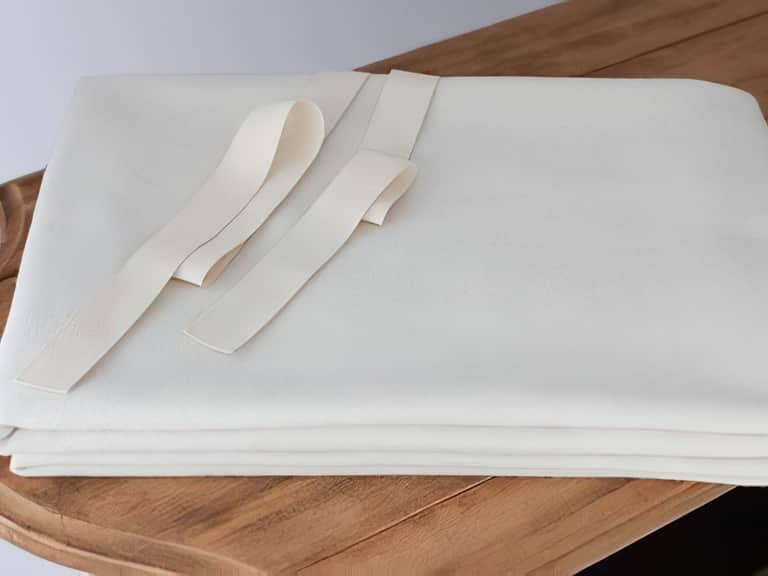
Texture gets the attention, but practical construction can make the biggest difference on laundry day. Check whether the duvet cover has interior corner ties or other fasteners to keep the insert from shifting. Ties are especially useful if the comforter tends to bunch inside its cover; without them, you may find yourself straightening the insert more often than you would like.
Look at the closure, too. Buttons, snaps, and zipper closures each have their own feel and convenience. Buttons may be familiar and easy to repair or replace, while a zipper can create a more continuous closure. Whichever style you prefer, consider how easy it will be to operate when you are changing the bed.
Dimensions deserve a careful check. Duvet inserts and covers may use the same broad size name while varying in actual measurements. Compare the cover’s dimensions with those of your insert to avoid a loose fit or an overly compressed one. A well-matched cover is more likely to lie neatly and keep the insert in place.
Finally, consider color and finish in realistic lighting. A matte percale surface may look understated and fresh; sateen’s soft sheen can make a color appear slightly different as light moves across it. If the shade is important, review the maker’s color description and return policy, and remember that screens do not always reproduce fabric colors exactly.
A simple decision guide
Still torn? Picture the first few minutes after you climb into bed. If you want a crisp, clean sensation and a cover that feels light rather than clingy, percale may be your match. If you want a smooth, soft surface that drapes gently and looks quietly polished, sateen may be the more appealing choice.
- Choose percale if: you like a matte finish, appreciate a crisp feel, or prefer bedding that does not feel especially slick.
- Choose sateen if: you enjoy a silky surface, a gentle sheen, and a softer, more fluid drape.
- Compare both if: temperature is your main concern, since fabric weight, the insert, and the room can matter as much as weave.
- Check the label if: organic materials, manufacturing claims, or specific care requirements are important to your decision.
- Check the construction if: you want corner ties, a particular closure, or a precise fit with your duvet insert.
These preferences are personal, and there is no need to choose a weave based on what a bedroom “should” feel like. A beautifully made bed is one you are comfortable sleeping in, whether its surface is crisp and matte or smooth and softly luminous.
How to make the choice with confidence
If you can, feel a sample before committing. A swatch will not show exactly how a full duvet cover drapes, but it can reveal whether you like the surface texture. If samples are not available, read detailed descriptions and look for plain-language terms such as crisp, smooth, lightweight, fluid, or substantial. These are not exact measurements, but they can help translate a product listing into an expectation.
It can also help to compare your current bedding with the feel you want. If your sheets feel cool and crisp and you love that sensation, percale may be a natural extension. If you already reach for soft, silky fabrics, sateen may feel more familiar. Just remember that a duvet cover sits over an insert, so its drape and warmth may not exactly match a sheet.
Finally, make the decision around your routine, not only the moment of purchase. A duvet cover is washed, changed, and slept under repeatedly. Fit, easy care, and a feel you genuinely enjoy every night are more valuable than a technical specification that sounds impressive but does not suit your preferences.
The bottom line
Percale and sateen are two different ways to weave cotton, and each gives a duvet cover its own personality. Percale offers crispness, a matte finish, and a relaxed, airy impression. Sateen brings a smooth surface, subtle sheen, and a more fluid drape. Either can be an appealing option in organic cotton; the right choice depends on how you want your bed to feel.
Look beyond thread count and consider weave, cotton details, care instructions, fabric weight, fit, and practical features such as corner ties. Keep the duvet insert and your room’s temperature in the picture, too. When you choose for your own comfort rather than for a label or a number, it becomes easier to find a cotton duvet cover that feels at home in your bedroom—and even better when it is time to turn in.